Region
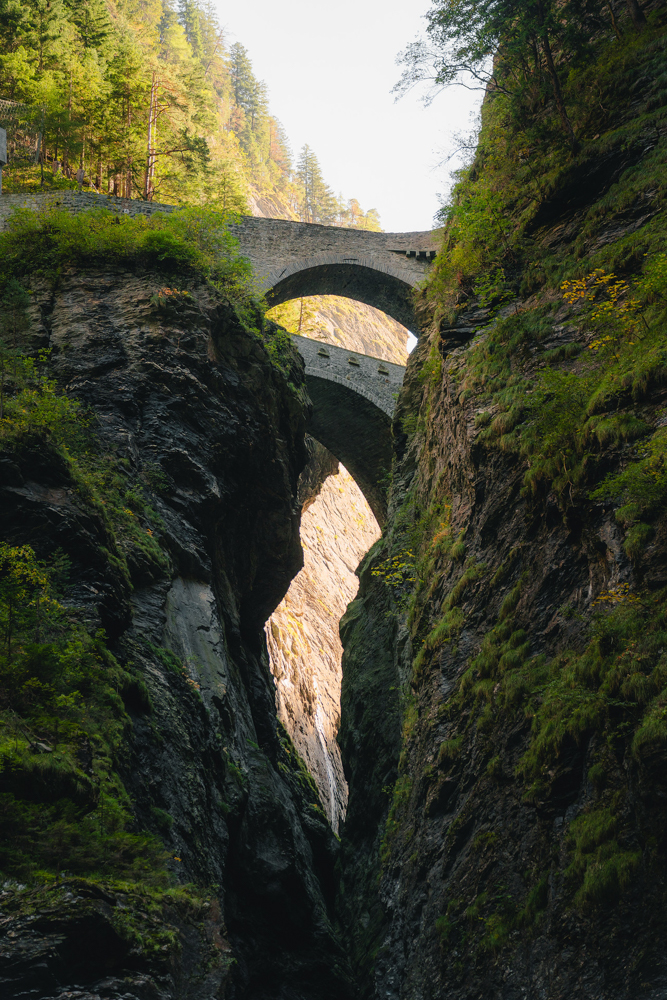
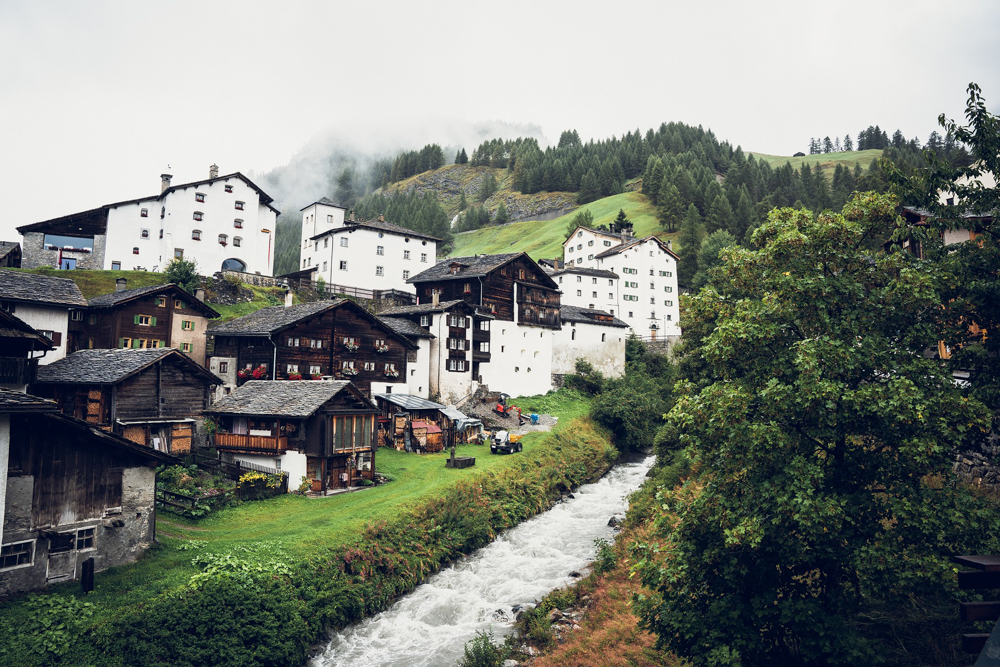
The Viamala region stretches from the confluence of the Anterior Rhine and the Posterior Rhine to the San Bernardino and Splügen passes. This strategically important location was already recognised by the Romans, who developed the Splügen Pass into one of the principal north–south routes across the Alps.
In the 18th century, the Splügen Pass became the most important trade route linking southern Germany with the Mediterranean and, through it, the rest of the world. Cotton, linen, spices, citrus fruits, wine and cheese were among the many goods transported along this route.
This flourishing trade also brought the first travellers to the region. Goethe and Nietzsche both crossed the Viamala on their journeys south. Inns for muleteers and the first hotels were established, and with the opening of the Commercialstrasse in 1822, the region entered a period of remarkable prosperity. New hotels and spa facilities were built, further expanding the tourism infrastructure. Only with the opening of the Gotthard Railway and later the Simplon Tunnel did the region gradually lose its importance as a major trade corridor.
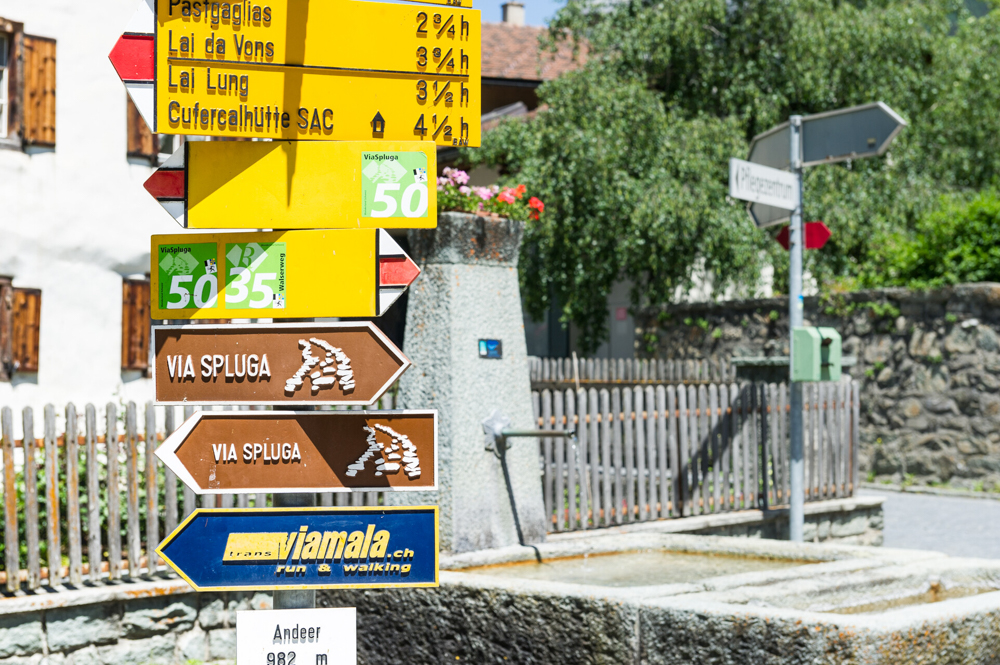
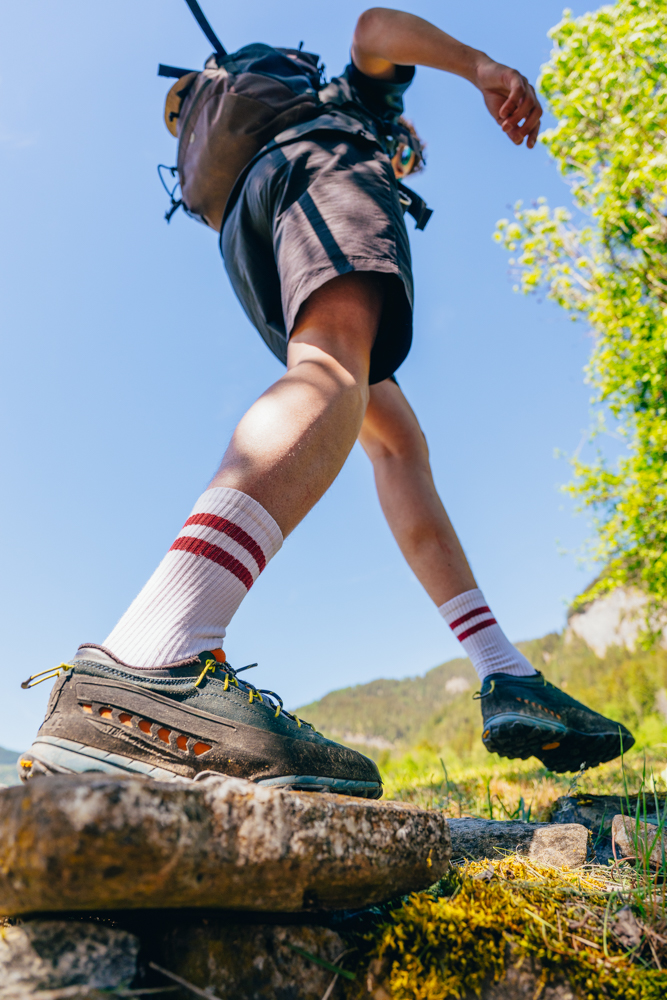
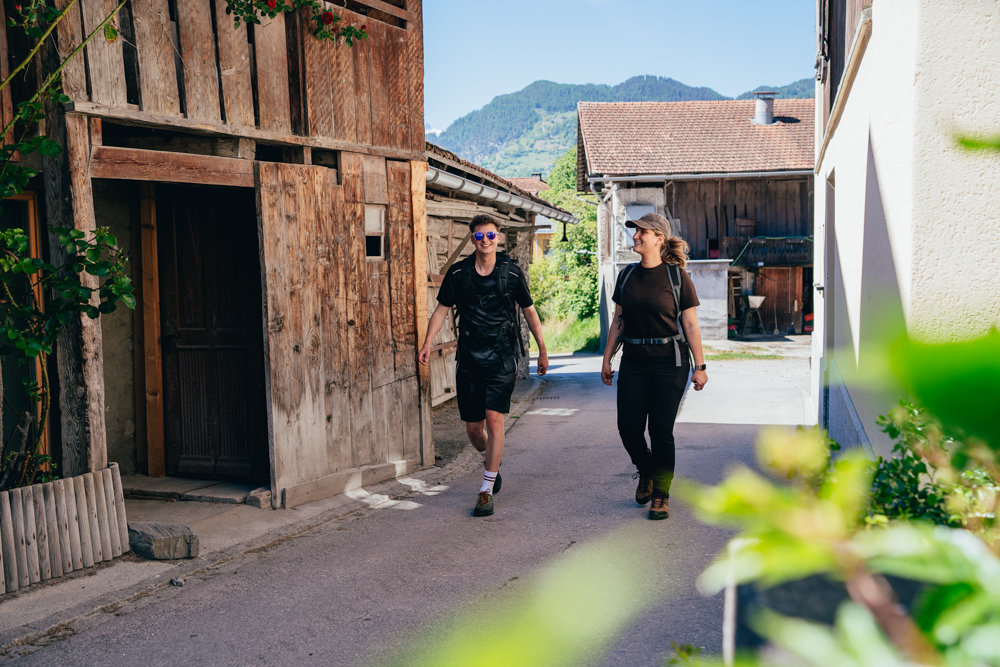
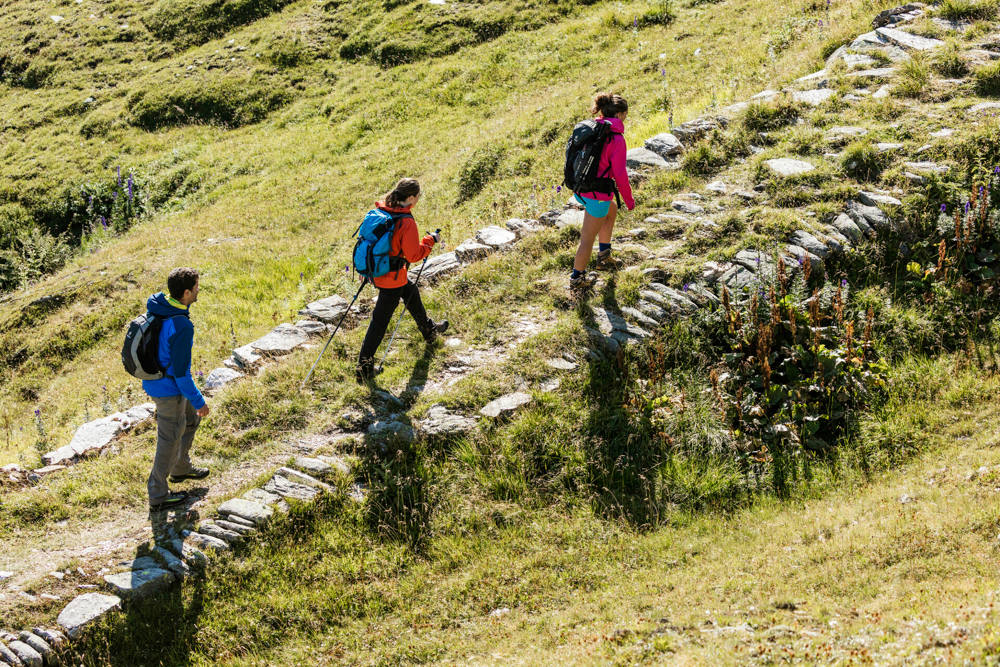
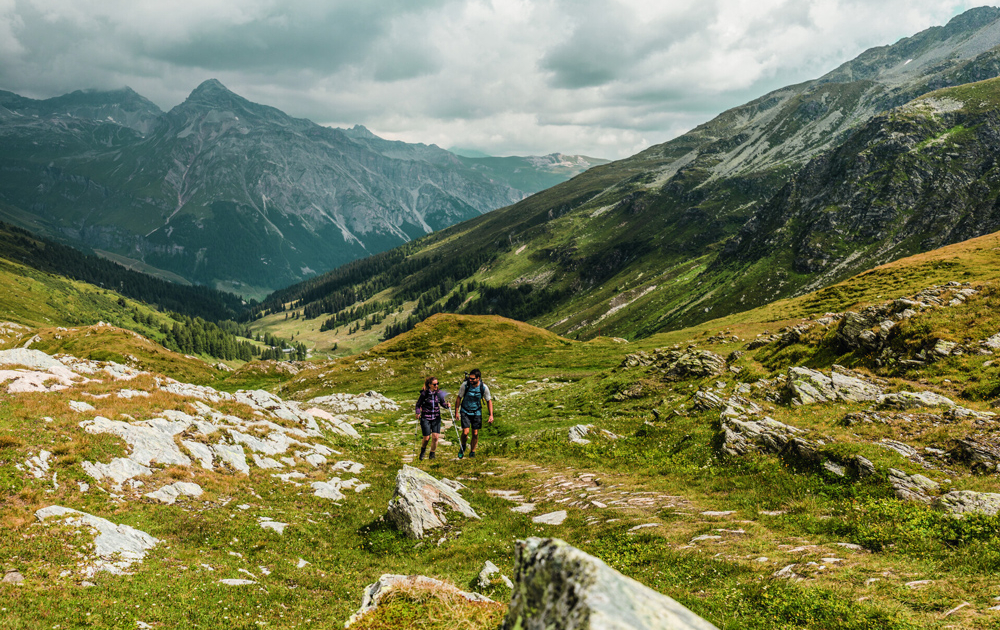
The opening of the San Bernardino road tunnel and the A13 motorway introduced a new era of transit through the Viamala region. For the past 25 years, the historic trade route and Roman road over the Splügen Pass have been promoted as the ViaSpluga long-distance hiking trail, linking Thusis with Chiavenna.
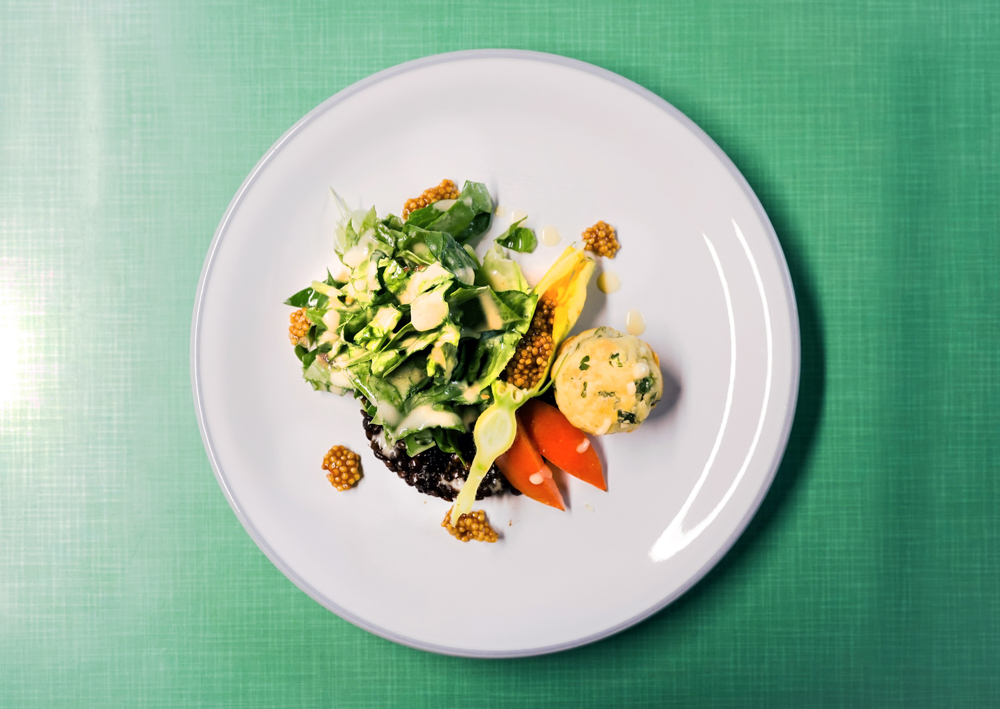
Beyond its rich history, the Viamala region captivates visitors with spectacular natural landscapes that appeal equally to those seeking peace and quiet, and to mountain sports enthusiasts. With more than 80% of its farmland managed according to organic farming principles, regional produce plays a central role. This is reflected in the region’s gastronomy, which ranges from traditional inns and historic hotels to Michelin-starred restaurants, offering an outstanding variety of culinary experiences.
Main product
The Rheinwald Goat: Landscape Guardian and Culinary Treasure
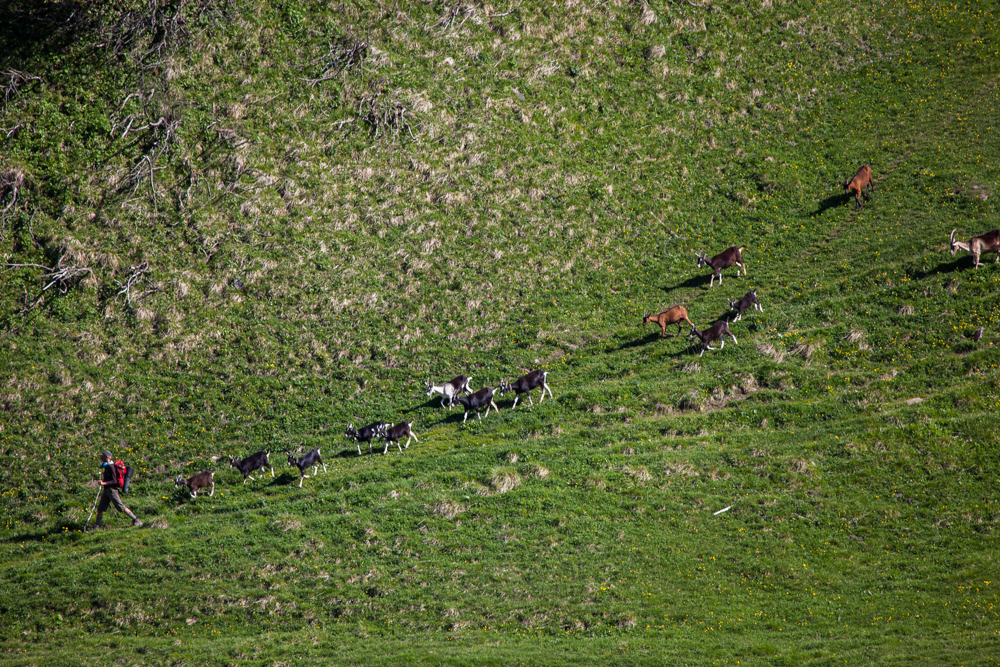
At 8 a.m. in the villages of Hinterrhein and Nufenen in the Rheinwald Valley, it is not unusual to see herds of goats running through the streets on their way to the alpine pastures. This is no folkloric performance, but a living tradition. Eight families still make their living from goat farming, and several hundred animals are raised in the region.
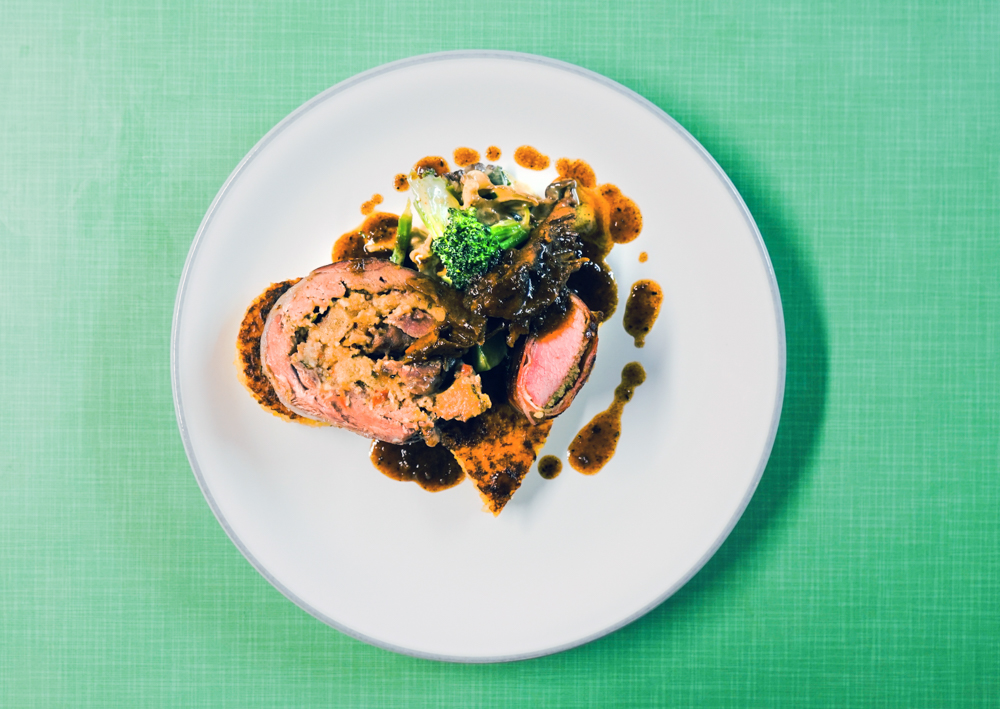
With their voracious appetite, the goats help keep shrubs from encroaching on mountain pastures, thereby preserving the region’s valuable cultural landscape. Feeding on aromatic alpine herbs and fresh mountain grasses gives their meat a distinctive and delicate flavour. It is prepared fresh and served as Gitzi (young goat) ragout or roast. The transformation into Salsiz, a typical dry sausage from as well as the air-drying of certain cuts of meat, are craft traditions deeply rooted in the region and its southern valleys.
In addition to meat, the goats also provide high-quality milk. Two local dairies transform it into delicious goat’s cheeses, available in a range of maturation stages.
For the farmers of the valley, it is essential that the entire goat, including its meat, can be marketed and appreciated. Thanks to the close cooperation between agriculture, tourism and gastronomy, a significant share of the added value remains within the valley, strengthening the local economy and preserving traditional farming practices.
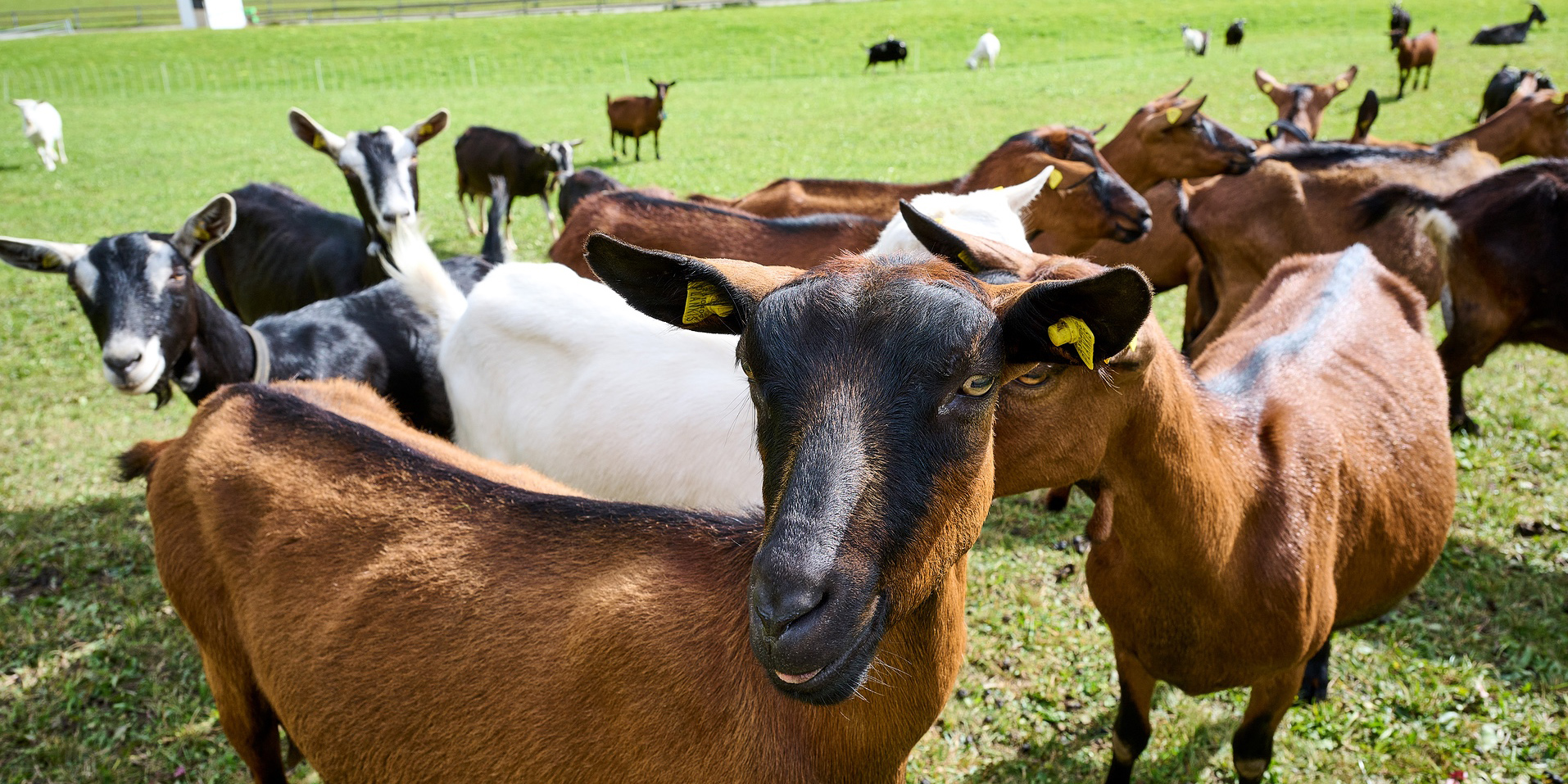
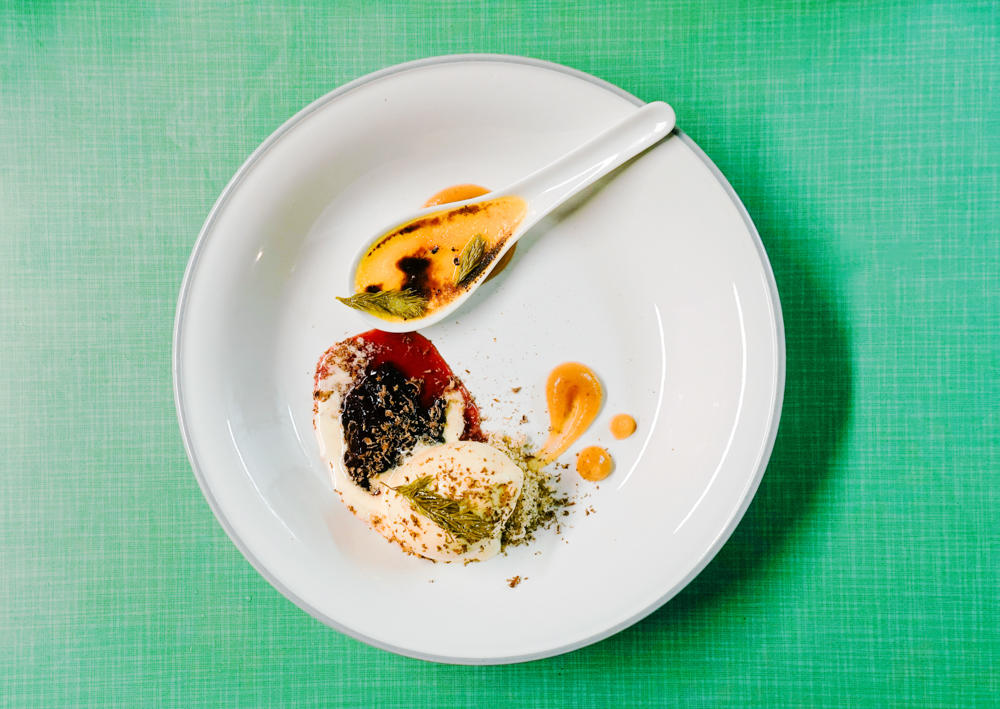
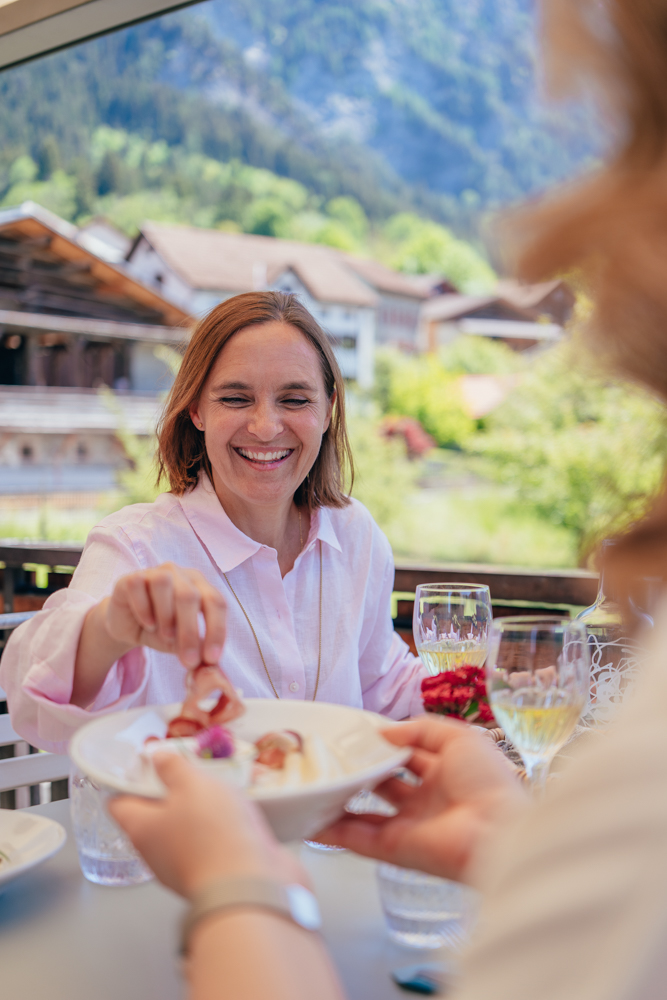
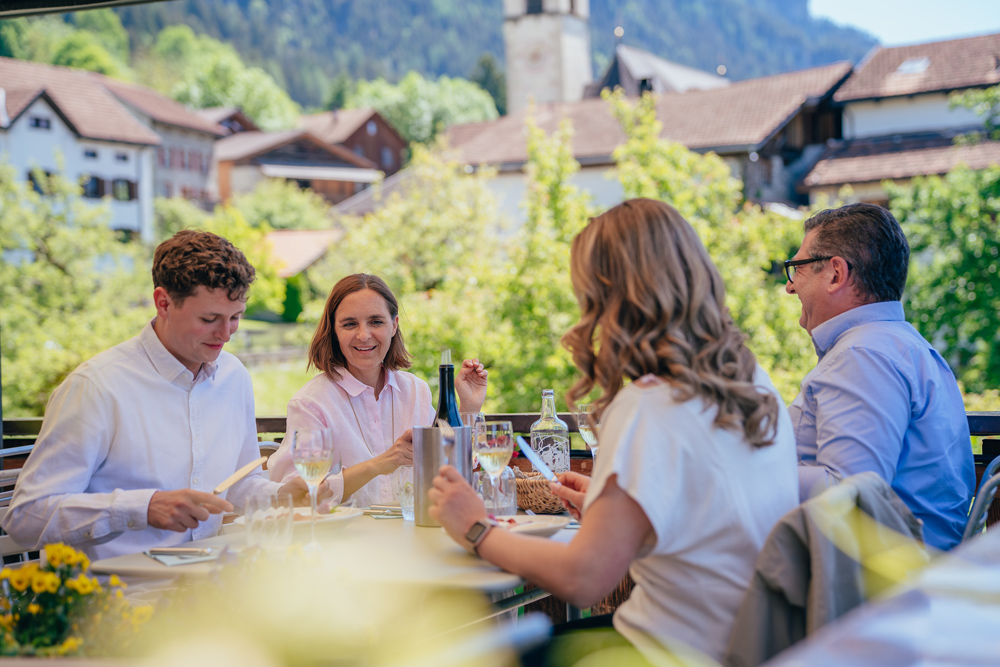
At 6 p.m., the goatherd brings the herd back to the village. This daily spectacle is best enjoyed from the terrace of Restaurant Bachhuus in Hinterrhein. At this certified organic restaurant, Carelia Joss and Torsten Rönisch showcase outstanding regional produce. Goat is regularly the star of the menu, featured in creative dishes that celebrate the flavours and traditions of the region.
Additional information
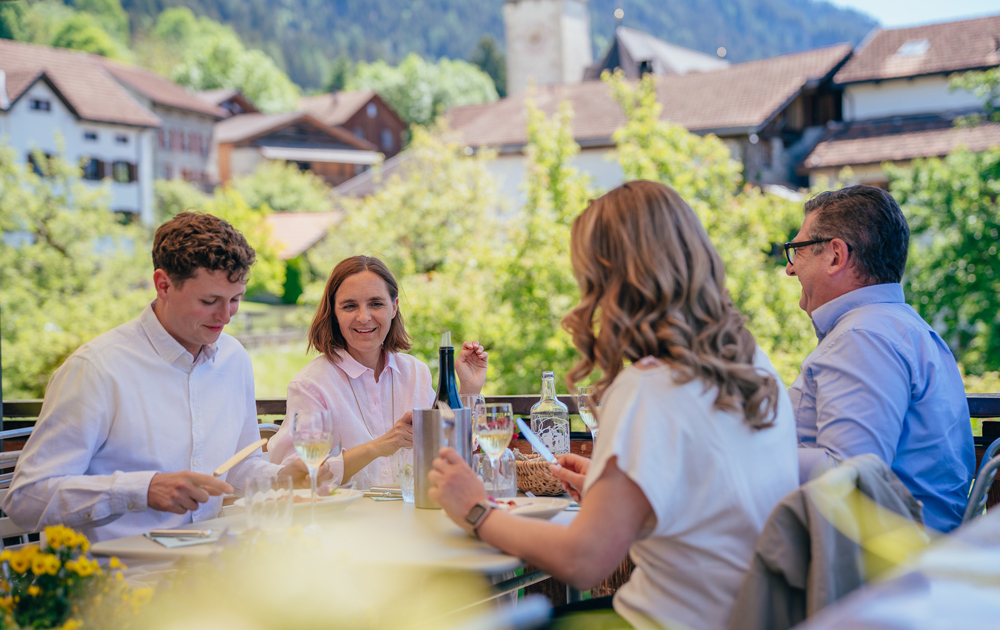
Regional products from Rheinwald/Viamala
Prepare your stay
Geographic location
Region Viamala, Graubünden/Grischun/Grigioni, Schweiz/Suisse/Svizzera/Svizra
Regional Actors